
Introduction
In the fast-paced world of Forex trading, timing is everything. Prices fluctuate in fractions of a second, and the ability to enter or exit the market instantly can make a significant difference in your trading results. This is where market orders come into play.
A market order is one of the most basic and widely used order types in Forex trading. It allows traders to buy or sell a currency pair immediately at the best available current price. For beginners, understanding how market orders work is essential before diving deeper into more complex trading strategies.
In this guide, we’ll break down everything you need to know about market orders in Forex—how they work, when to use them, their advantages and disadvantages and practical tips to execute them effectively.
What is a Market Order in Forex?
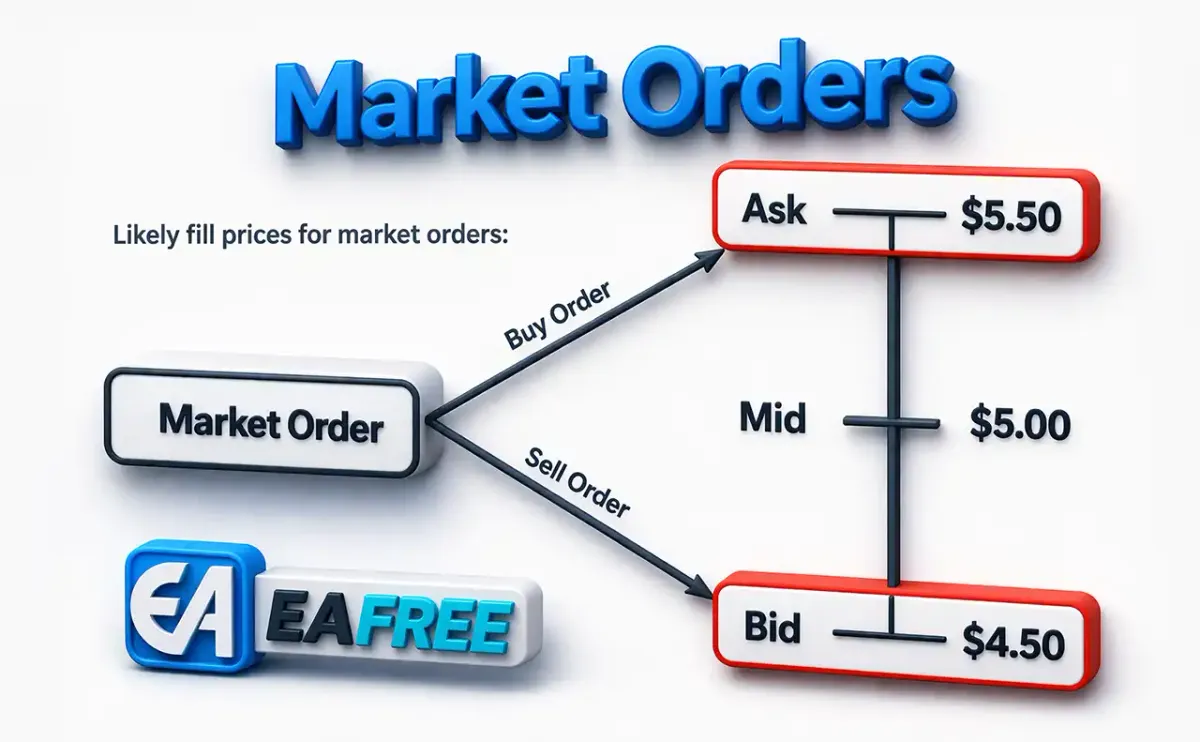
A market order is an instruction given to your broker to execute a trade instantly at the current market price. Unlike pending orders, which wait for a specific price level, market orders prioritize speed over price precision.
//Key Characteristics:
- Instant execution
- Executed at the best available price
- No price guarantee (subject to slippage)
- Simple and beginner-friendly
For example, if EUR/USD is trading at 1.1000 and you place a market buy order, your trade will be executed immediately at or very close to that price.
How Market Orders Work
When you place a market order, your trading platform sends the order directly to your broker or liquidity provider. The system matches your order with the best available price in the market.
//Step-by-Step Process:
- You click “Buy” or “Sell” on your trading platform
- The platform sends your order to the broker
- The broker finds the best available price
- The trade is executed instantly
Because Forex is a decentralized market, prices may vary slightly depending on liquidity and market conditions. This is why the execution price may differ slightly from what you see on your screen.
Types of Market Orders
While the term “market order” is straightforward, there are two primary directions:
//1. Buy Market Order
You place a buy order when you expect the currency pair to rise in value.
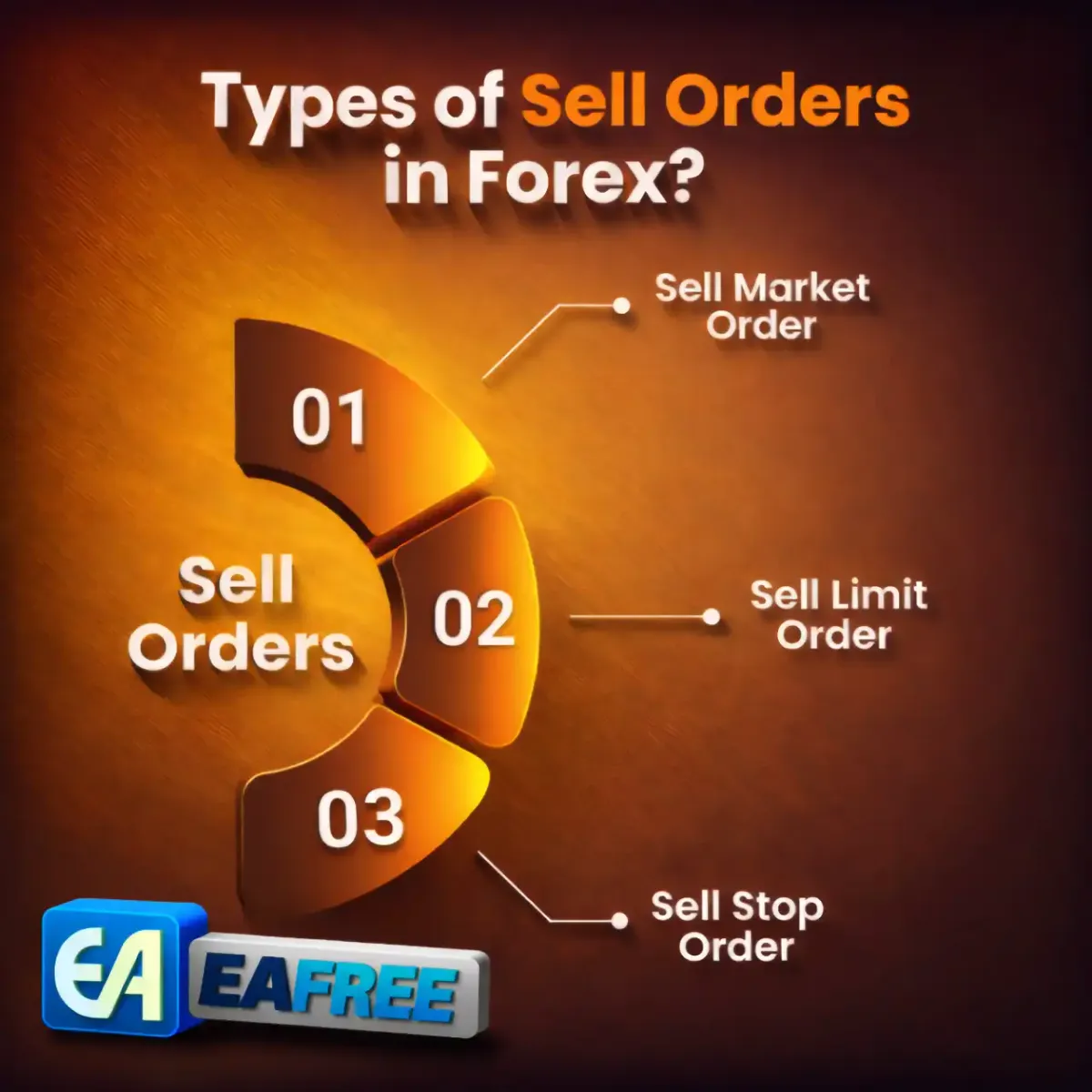
//2. Sell Market Order
You place a sell order when you expect the currency pair to fall.
Both types are executed immediately at the current market price.
Advantages of Market Orders
Market orders are popular among both beginners and experienced traders for several reasons:
//1. Speed of Execution
The biggest advantage is instant execution. This is crucial in volatile markets where prices change rapidly.
//2. Simplicity
Market orders are easy to understand and use, making them ideal for beginners.
//3. Guaranteed Execution
Unlike limit orders, which may not be filled, market orders are almost always executed.
//4. Ideal for High-Volatility Trading
During news events or strong trends, market orders allow traders to enter positions quickly.
Disadvantages of Market Orders
Despite their benefits, market orders also come with some drawbacks:
//1. Slippage
Slippage occurs when the execution price differs from the expected price due to rapid market movement.
//2. Lack of Price Control
You cannot specify the exact price at which your trade is executed.
//3. Risk in Volatile Markets
In fast-moving markets, prices can change dramatically within milliseconds.
//4. Spread Costs
Market orders are executed at the current bid/ask price, which includes the spread.
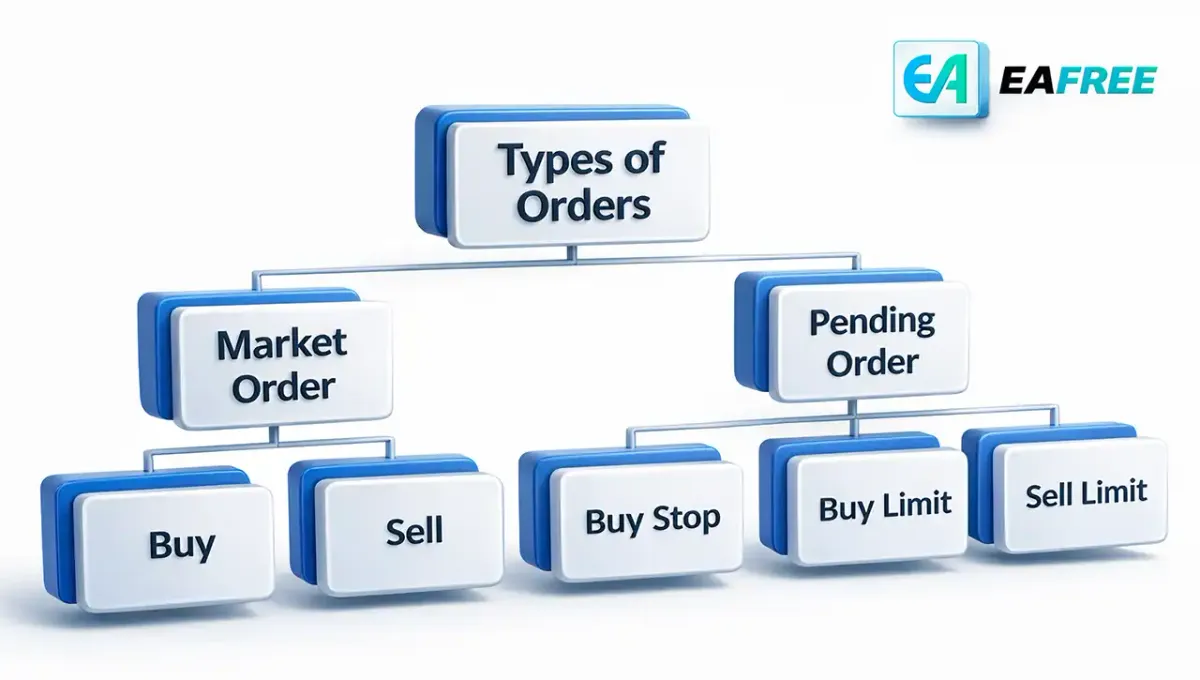
Market Orders vs Pending Orders
Understanding the difference between market orders and pending orders is crucial for effective trading.
| Feature | Market Order | Pending Order |
|---|---|---|
| Execution Speed | Instant | Delayed (until price reached) |
| Price Control | Low | High |
| Slippage Risk | High | Low |
| Best Use Case | Fast markets | Planned entries |
Pending orders (like limit and stop orders) allow you to set a specific price, while market orders prioritize speed.
When Should You Use Market Orders?
Market orders are best used in situations where speed matters more than precision.
//Ideal Scenarios:
- Breaking News Events
When major economic news is released, prices move quickly. Market orders help you enter trades immediately.
- Strong Trends
If the market is trending strongly, waiting for a specific price may cause you to miss the opportunity.
- High Liquidity Periods
During peak trading sessions (London and New York), market orders are executed more efficiently.
- Scalping Strategies
Scalpers rely on quick entries and exits, making market orders essential.
When to Avoid Market Orders
There are situations where market orders may not be the best choice:
//1. Low Liquidity Markets
During off-hours, spreads widen and slippage increases.
//2. Major Economic Announcements
Extreme volatility can lead to poor execution prices.
//3. Precise Entry Strategies
If your strategy requires exact price levels, limit orders are better.
Tips for Using Market Orders Effectively
To maximize your trading performance, consider these practical tips:
//1. Monitor Market Conditions
Avoid placing market orders during extreme volatility unless necessary.
//2. Use Stop-Loss Orders
Always protect your trades with a Stop-loss (SL) to manage risk.
//3. Trade During High Liquidity Hours
This reduces slippage and improves execution quality.
//4. Choose a Reliable Broker
Execution speed and pricing depend heavily on your broker.
//5. Be Aware of Spreads
Wider spreads can increase your trading costs.
Example of a Market Order in Action
Let’s say you’re trading GBP/USD:
- Current price: 1.2500
- You expect the price to rise
- You place a market buy order
Your trade is executed instantly at 1.2500 (or very close). If the price rises to 1.2550, you make a profit. If it falls, you incur a loss.
This simplicity is why market orders are widely used by traders at all levels.
Common Mistakes Beginners Make
Even though market orders are simple, beginners often make avoidable mistakes:
//1. Ignoring Slippage
Not accounting for slippage can lead to unexpected losses.
//2. Overtrading
Placing too many market orders without a clear strategy.
//3. Trading During News Without Preparation
Volatility can cause poor execution.
//4. Not Using Risk Management
Failing to use stop-loss orders can be costly.
Market Orders and Trading Psychology
Market orders can also impact your trading psychology:
- Impulse trading: Instant execution may lead to emotional decisions
- Fear of missing out (FOMO): Traders may enter trades too quickly
- Overconfidence: Easy execution can encourage excessive trading
Maintaining discipline and following a trading plan is essential when using market orders.
Conclusion
Market orders are a fundamental tool in Forex trading, offering speed, simplicity, and guaranteed execution. They are especially useful in fast-moving markets where timing is critical.
However, they come with risks such as slippage and lack of price control. By understanding when and how to use market orders effectively, traders can take full advantage of their benefits while minimizing potential downsides.
For beginners, mastering market orders is the first step toward building a solid foundation in Forex trading. As you gain experience, you can combine them with other order types to create a more refined and strategic trading approach.
FAQs
//1. Are market orders safe for beginners?
Yes, they are simple to use, but beginners should be aware of slippage and always use risk management.
//2. Do market orders always execute?
Almost always, as long as there is sufficient liquidity in the market.
//3. What is slippage in market orders?
Slippage is the difference between the expected price and the actual execution price.
//4. Can I control the price in a market order?
No, market orders prioritize execution speed over price control.